
About the Writers’ Club
The building at 7 Francuska Street was constructed in the late 19th century and, over the decades, has changed its purpose, before becoming the restaurant “Club of Writers and Artists” in 1946. of Yugoslavia.”
Since then, the Club has evolved with the people who led it, the guests who shaped it, and the city that changed around it.
A special mark on the Club’s identity was left by those who built it over decades—creating a place of strong habits, memories, and personal connections. We honor and preserve these memories, as they are part of what the Club is.
At the same time, we believe that tradition cannot exist without movement. Our task is not to freeze the past, nor to replace it with something else, but to strive to preserve the spirit of the Club and carry it into the present—with responsibility toward what has been and what is yet to come.
The modern era of the Club began in 2019, when Branko Kisić took on the responsibility of carrying that continuity forward—not as a break, but as a continuation: through craft, balance, and a willingness to listen, learn, and adapt.
Our goal is for the Club to remain a living space—a place that remembers, yet does not stand still. If a guest at the Club senses the intention to preserve the spirit rather than replace it, we believe we are on the right path.
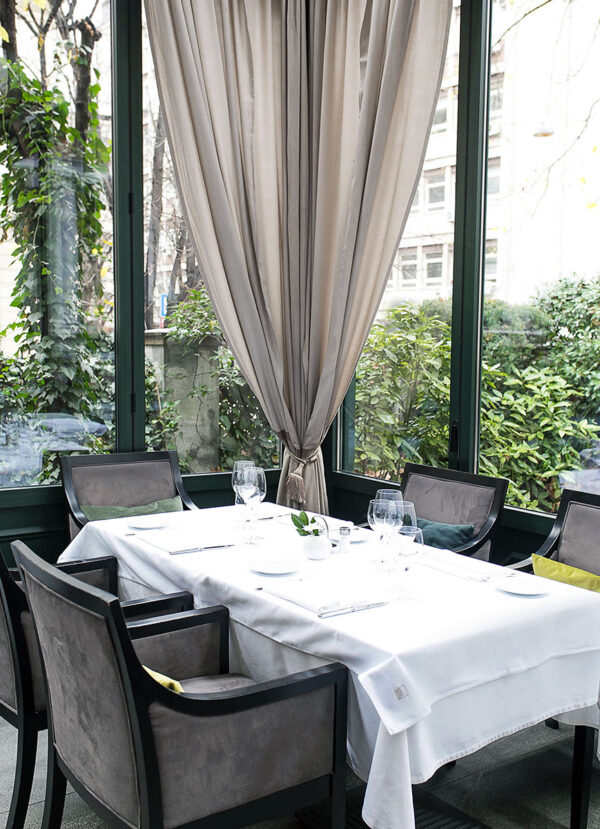
The building at 7 Francuska Street was constructed at the end of the 19th century and, over the decades, changed its purpose before becoming a restaurant. In 1946, the Club of Writers and Artists of Yugoslavia was established here, conceived as a place for meetings, conversations, and long evenings at the table.
During the 1950s, the Club was shaped by people who would leave their mark for decades—first Ivo Kusalić, and later Budimir Blagojević Buda, whose leadership left a strong imprint on the character of the place. Over the years, the Club changed along with the city and the times in which it existed, going through different phases and energies.

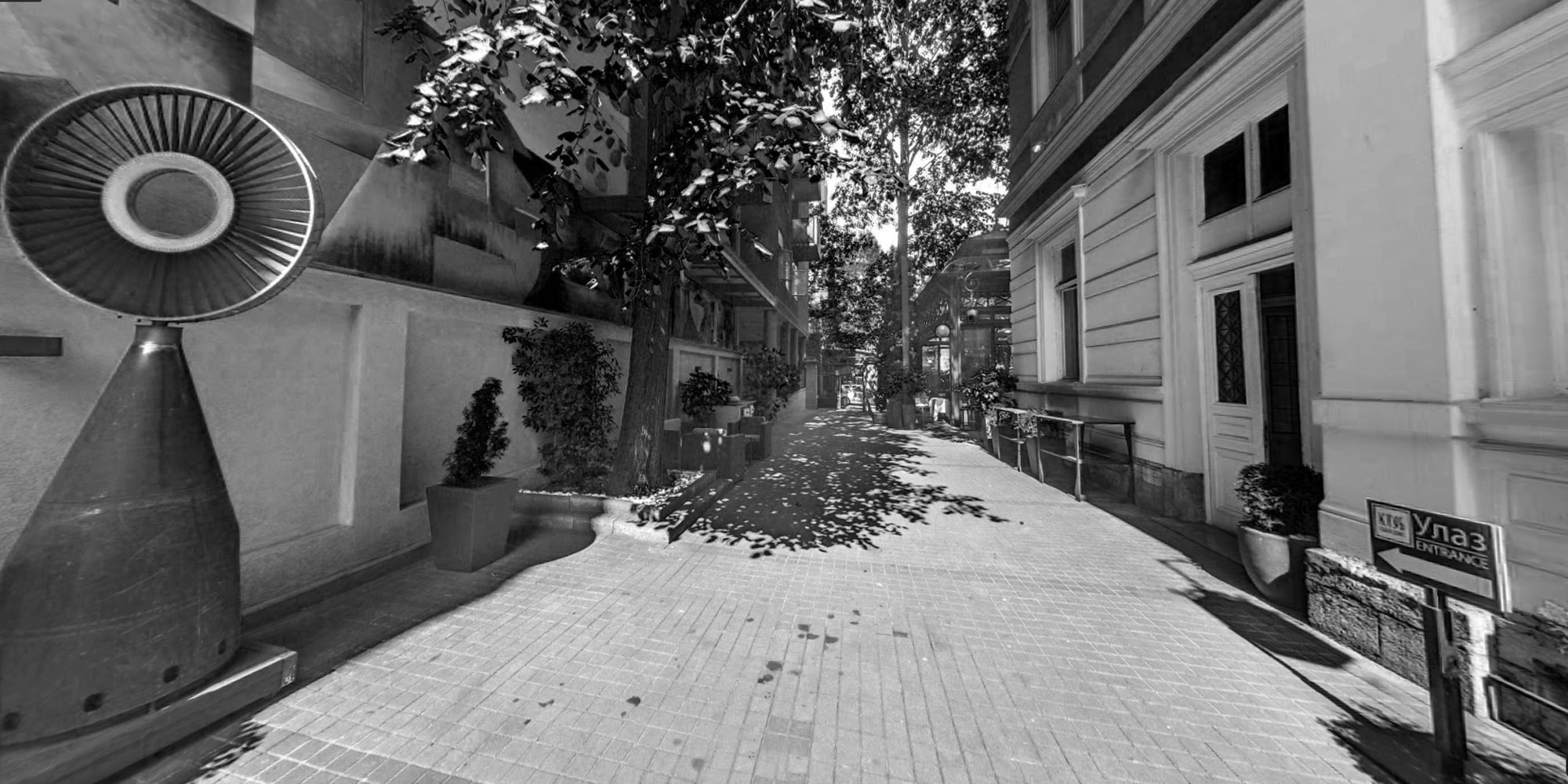
1882 – Milan Piroćanac, a Serbian lawyer and politician, builds a house at 7 Francuska Street.
1897 – The building first becomes the Turkish, and later the American, embassy.
1934 – The building houses the Auto Club, known as “Three Hussars.”
1946 – The restaurant Club of Writers and Artists of Yugoslavia is founded.
1954 – Ivo Kusalić, formerly a waiter at the Jadran restaurant and manager of the Journalists’ Club, takes over the management of the Club. His partner in the early years is Mile Vukailović.
1957 – Budimir Blagojević becomes Ivo Kusalić’s partner. In the same year, the restaurant opens to the public.
1989 – Smrt Ive Kusalića. Buda nastavlja da vodi Klub samostalno.
1994 – Ljuba Vasić becomes the head chef of the Club of Writers.
2008 – Buda hands over the restaurant to a new owner, Zoran Lazarević, while remaining at the Club in a supportive role.
2012 – Budimir Blagojević Buda passes away. The history of the Club does not end—it continues.
2019 – Branko Kisić takes over the leadership of the restaurant.
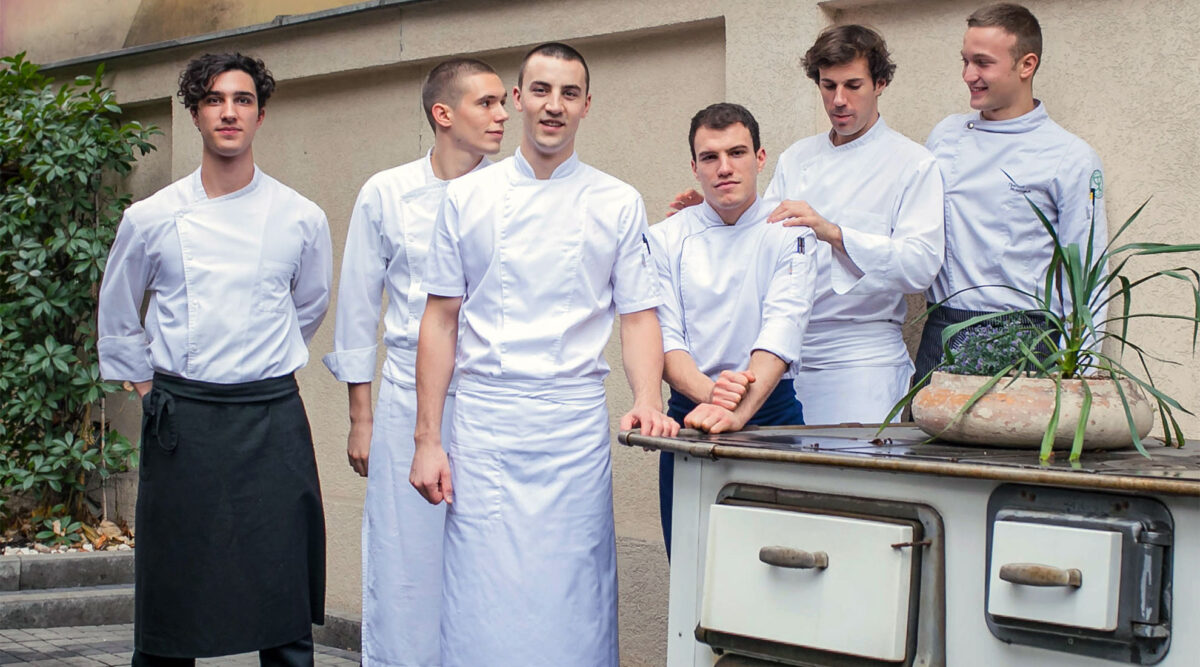
WHY WE EXIST
The Club of Writers exists for a clear purpose. Its mission is not only to prepare and serve food, but to create a space where people gather around the table, conversation, and ideas.
Every decision we make—from selecting ingredients, to designing the menu, to the pace of service and our approach to guests—stems from this mission. Food, ambiance, and service are not goals in themselves, but means to create a meaningful and lasting experience.
The Club understands its responsibility to the city and the community in which it exists. We support local producers, respect the heritage of the space, and strive to be a place that encourages meetings, exchange, and a culture of presence. We believe that a restaurant can play a social role—as a space where the values of dialogue, attentiveness, and balance are nurtured.
For us, business success is not the ultimate goal, but a condition for sustainability. We view profit as a tool that enables stability, team development, and the preservation of quality, allowing us to remain true to our mission in the long term.
The Club of Writers is built slowly, thoughtfully, and with intention—as a place that remains important and relevant precisely because it knows why it exists.
Mission
The mission of the Club of Writers is to preserve the spirit of a place that has endured since 1946 and to responsibly carry it into the present day—through a serious approach to the kitchen, balance in our methods, and respect for the guest.
We exist to create a space where people can enjoy good food, engage in conversation, and linger without rush. To be a place where different generations, ideas, and habits meet—without elitism, yet with a clear set of standards. We do not chase trends or try to impress with form.
Our mission is to build lasting trust through craft, continuity, and attention to detail.

Vision
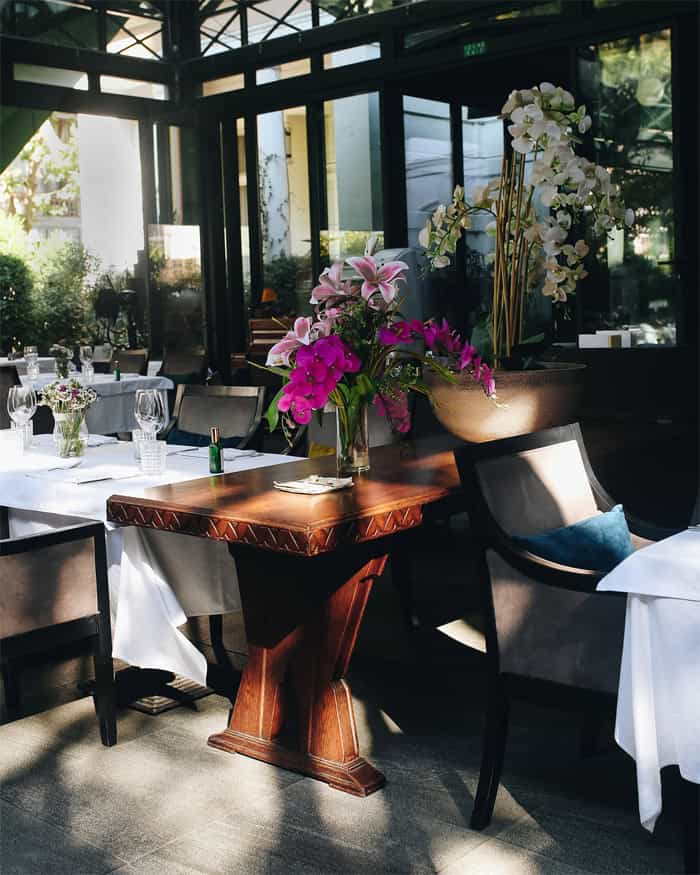
The vision of the Club of Writers is to remain a vibrant and meaningful space in a constantly changing city. A place that respects its past, yet does not try to stay in it, but carries its spirit into the present.
We strive for a Club where evenings unfold naturally—through good food, conversation, and unhurried presence. A place that does not aim to impress with form, but earns the trust of those who return over time.
The Club aims to remain true and meaningful not through trends, but through balance, craft, and attention to people—a space where different generations meet, and the experience at the table holds equal importance as the food itself. We do not see the Club as a finished project, but as a process. We learn, adapt, and keep building—with the intention that what makes the Club special does not fade, but continues to live.
Continuity
We respect what the Club has been, but we do not freeze it in time. The past is a foundation, the present a responsibility, and the future a continuation.
Craft
We believe in seriousness and precision. No tricks, no shortcuts—just knowledge, discipline, and balance.
Responsibility
Towards the guest, the ingredients, and the space in which we work. Every plate and every evening carries personal responsibility.Balance
We do not go to extremes. We seek balance in flavor, portion, tone, and the rhythm of the evening.
Dignity
We do not prove ourselves loudly. Quality is felt, not imposed.
Openness and Hospitality
The Club is for people—not for titles. Quality must not create distance.
Growth
We learn, adapt, and listen. The Club is not a finished project, but a process.
Community
The Club is part of Belgrade. Food and space are ways to contribute to the city, not to set ourselves apart from it.
